
Exploring the History and Significance of Giant Wild Goose Pagoda

Visiting this architectural marvel located in Xi'an offers a profound glimpse into ancient Chinese culture. Constructed during the Tang dynasty, its purpose was to store Buddhist scriptures brought from India. The structure stands at 64 meters tall, a striking example of early Chinese brick pagoda design, showcasing various artistic styles from that period.
Examining the intricate carvings and the layout reveals insights into the religious practices of the time. Each level of the tower features distinct motifs, reflecting the spiritual significance that permeated its construction. Engaging with the stories surrounding this landmark may spark a deeper appreciation for its role in promoting Buddhism across East Asia.
Don't miss the opportunity to explore the surrounding gardens, which enhance the serene atmosphere and provide context for the tower's historical standing. Plan your visit during the early hours to experience the tranquil environment before crowds arrive, allowing for a more reflective experience. Whether you're an architecture enthusiast or a history buff, this remarkable edifice invites endless exploration and contemplation.
Origins and Construction Timeline of the Pagoda
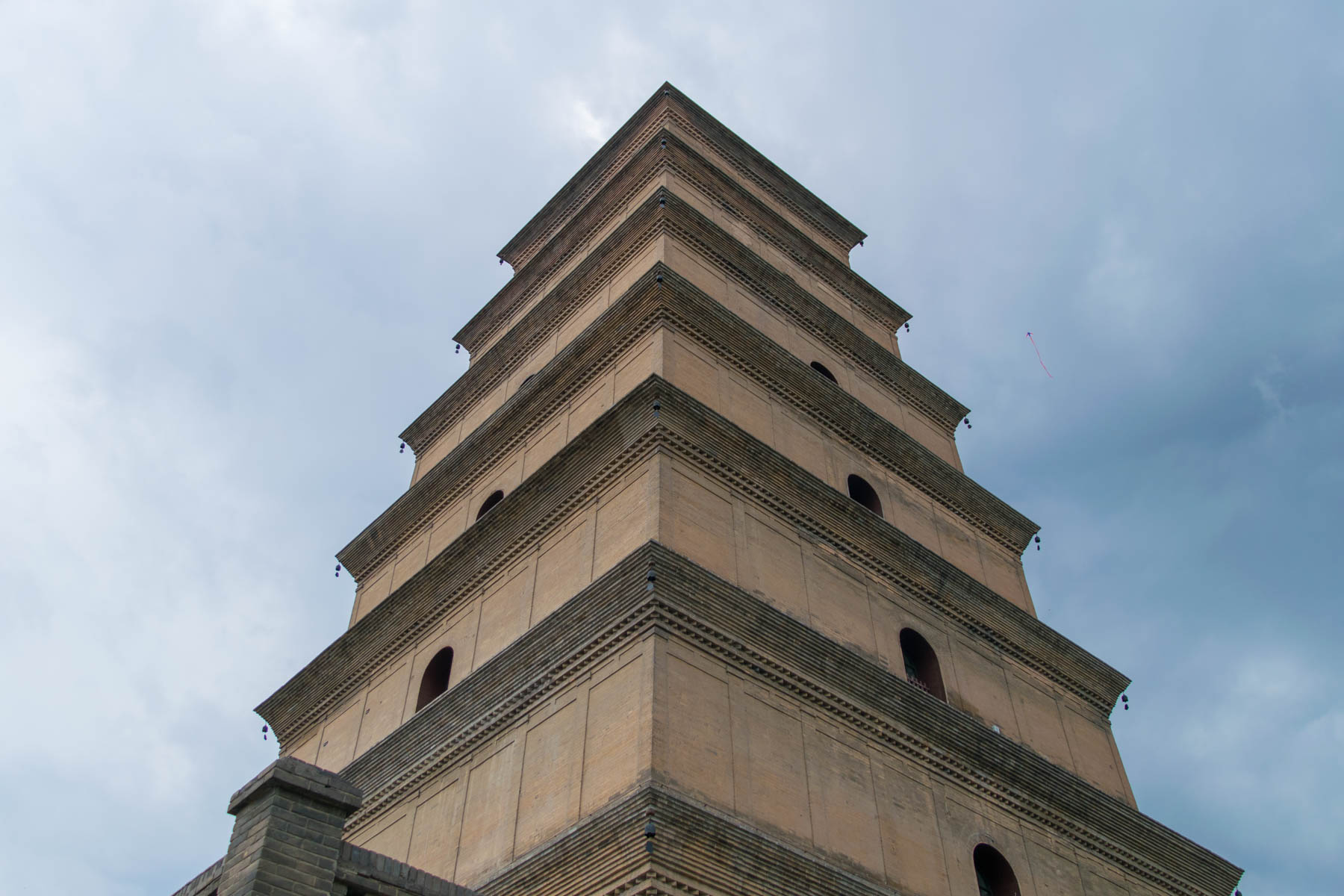
Initiated in 652 AD during the Tang dynasty, this remarkable structure served as a focal point for Buddhist texts and relics brought from India. The emperor commissioned its creation to honor the translation efforts of Xuanzang, a prominent monk.
The earliest phase witnessed the establishment of a seven-story edifice, standing at 64 meters. Over the years, significant alterations occurred. By 704 AD, additional levels included, raising its height to 77 meters.
Throughout the Song dynasty, restoration efforts enhanced stability and appearance. Modifications in 1043 AD contributed to its current architectural style. The structure's brick composition allowed for intricate carvings and a resilient framework.
In the 20th century, preservation initiatives commenced, particularly during the 1950s. Major repairs included reinforcing the base and restoring the exterior to protect against environment-induced wear.
Regular maintenance continues, ensuring this architectural marvel remains a prominent part of cultural heritage, attracting scholars and tourists alike.
The Role of the Pagoda in Buddhist Pilgrimage
Historical significance of this structure extends to its position as a key destination for adherents practicing Buddhism. Pilgrims often visit with the intention of seeking spiritual enlightenment, participating in rituals, and connecting with traditions.
A prominent attraction is the collection of ancient scriptures housed within its walls. Devotees believe that studying these texts contributes to their understanding of Buddhist teachings and practices. Engaging with the scriptures is seen as a pathway to deeper spiritual insight.
Moreover, architectural features and intricate carvings inspire reverence and reflection. Visitors engage in meditation and prayer in designated spaces around the tower, enhancing their spiritual journey.
Special festivals and events throughout the year draw large crowds, with community gatherings fostering a sense of belonging among pilgrims. These occasions highlight local customs and practices associated with Buddhist observance.
Accessibility plays a role in attracting visitors from various backgrounds. Its enduring legacy serves as a bridge connecting ancient practices with contemporary beliefs, facilitating a continuous flow of pilgrimage.
This structure not only symbolizes devotion but also plays a pivotal role in nurturing Buddhist culture through active participation in religious life. Pilgrims often recount transformative experiences during their visits, underscoring the profound impact of this site on their spiritual endeavors.
Architectural Features Unique to the Giant Wild Goose Pagoda
This structure showcases a harmonious blend of traditional Chinese architectural styles, prominently featuring a square base that transitions into a series of octagonal levels. Each of these tiers is marked by elegant eaves that curve upwards, a hallmark of ancient Eastern design.
The pagoda stands at a striking height of approximately 64 meters, comprising seven distinct stories. Each story contains openings that enhance both aesthetics and functionality, allowing light and air to flow naturally through the interiors.
Constructed with brick and wood, this monument utilizes interlocking bricks for stability, a technique that demonstrates advanced engineering practices of its time. The walls are adorned with intricate carvings and motifs, reflecting cultural and religious significance.
Another notable feature is the large central chamber, which was originally designed to house Buddhist scriptures and relics. This central space enhances the acoustics, allowing chants and prayers to resonate throughout the structure.
Window designs vary with each level, with the uppermost stories featuring smaller, more ornate openings. This design not only contributes to the visual appeal but also signifies the increasing sanctity as one ascends.
The foundation of this edifice is both robust and elevated, protecting it from floodwaters and reflecting geomantic principles that guide its placement. The surrounding landscape complements the architectural marvel, accentuating its grandeur.
Impact of Cultural Exchanges in the Tang Dynasty
Cultural exchanges during Tang rule enabled profound transformations across various domains. Trade along the Silk Road facilitated the movement of scholars, artists, and religious figures, fostering innovative ideas that transcended geographical boundaries.
Restoration initiatives require a multidisciplinary approach combining historical architecture, environmental science, and tourism management. Sustainable practices should be prioritized to preserve structural integrity while accommodating visitors. Challenges remain significant: Implementing these strategies will enhance preservation efforts while respecting the rich heritage of this iconic structure. Arrive early to avoid crowds and fully appreciate the serene atmosphere surrounding the structure. Plan a walking route to explore the beautifully landscaped gardens that provide stunning views from various angles. As you approach the tower, take time to observe intricate carvings and detailed architectures that adorn its surface. Engaging a knowledgeable guide can enhance understanding of cultural significance and architectural features. Bring comfortable walking shoes to navigate the expansive area comfortably. Be prepared for some stairs if you choose to ascend for panoramic city views. Sunset offers a magical perspective, with the structure illuminated against the evening sky. Local vendors often sell traditional snacks; sampling these treats adds to the experience. Photography enthusiasts should consider visiting during golden hours for optimal lighting conditions. Respect the peaceful environment by maintaining a considerate noise level and following all site guidelines. Enjoy the opportunity to connect with fellow visitors who share appreciation for this landmark. Visit nearby museums housing artifacts relevant to the site's historical context for a comprehensive understanding of its importance in the region's heritage.Conservation Efforts and Challenges Facing the Pagoda
Visitor Experience: What to Expect When Visiting the Site