
Exploring the Mysteries of the Book of Dead

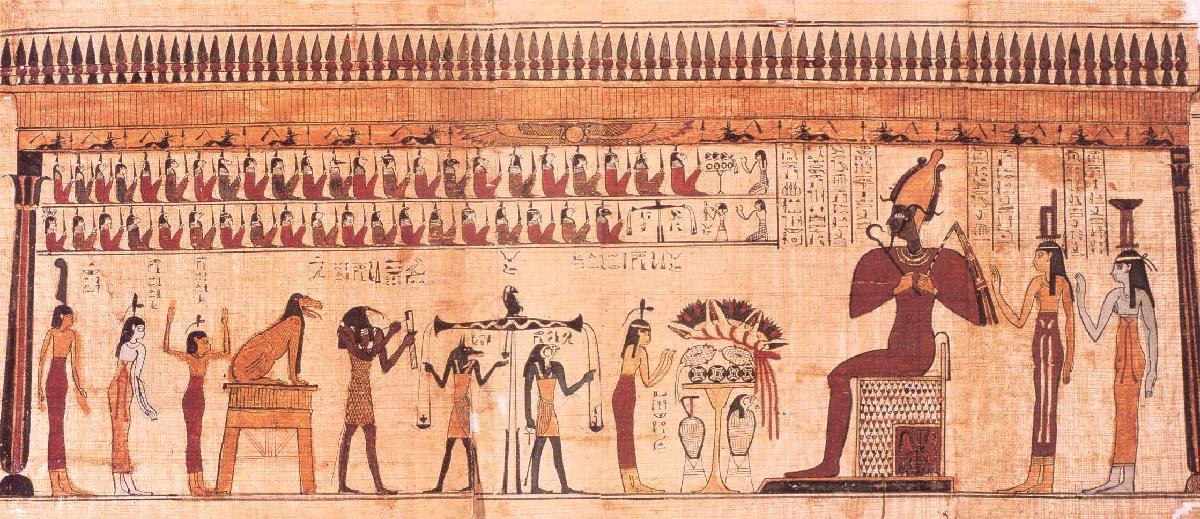
To appreciate the significance of these ancient scripts, a thorough examination of specific spells and illustrations is necessary. By analyzing individual passages and their symbolic meanings, you can uncover layers of cultural beliefs surrounding death and the afterlife.
Focus on the various characters depicted in these writings. Each deity plays a vital role in the journey of the soul, offering protection and guidance. Researching these figures, such as Osiris and Anubis, reveals how they influenced funerary customs and preparations.
Pay close attention to the illustrations that accompany the texts. These images not only serve a decorative purpose but also convey vital messages about the afterlife. The iconography found in these pages holds clues to understanding ancient Egyptian cosmology and societal values.
Engage with contemporary interpretations and scholarly analyses to gain insight into ongoing debates about the historical context and purpose of these writings. Comparing various translations can highlight differences in interpretation, enriching your understanding of their multifaceted meanings.
Understanding the Historical Context of the Book of Dead
The funerary text, composed in ancient Egyptian civilization, originated during the New Kingdom period, specifically around 1550 BCE. It reflects beliefs about the afterlife and the journey undertaken by souls. Significant development occurred over centuries, with earlier versions, such as the Pyramid Texts and Coffin Texts, laying foundational concepts.
This manuscript served multiple purposes, including providing guidance for the deceased and specifying rituals essential for securing a safe passage to the afterlife. These texts evolved into personalized scrolls, often containing spells to protect the soul against potential dangers.
Key historical events influenced its content, including shifts in religious practices and interactions with neighboring cultures. The rise of Osiris worship marked a transition from earlier deities, emphasizing resurrection themes. Additionally, the introduction of new writing technologies, like papyrus, facilitated the widespread distribution of these texts.
Moreover, artifacts discovered from tombs offer insights into interpretations and variations of this manuscript. The inclusion of illustrations alongside spells reflects the artistry and belief systems of the time.
| Period | Characteristics |
|---|---|
| Old Kingdom | Pyramid Texts; focus on royalty |
| Middle Kingdom | Coffin Texts; expansion to elite |
| New Kingdom | Personalized papyrus scrolls; inclusion of spells |
In summary, understanding the historical context enhances appreciation for this remarkable tradition. Each phase documented reflects the evolution of spiritual beliefs and cultural practices in ancient Egypt.
Deciphering the Symbolism Found in the Text
Focus on key symbols like the scarab, representing rebirth and renewal. Analyze how this insect's transformative journey mirrors human experiences of life, death, and resurrection.
Consider the importance of the Eye of Horus, symbolizing protection, royal power, and good health. Its presence in incantations highlights the belief in safeguarding the deceased during their transition to the afterlife.
The use of number symbolism, such as the significance of four directions or the twelve hours of the night, offers insights into the organization's perspective on time, space, and cosmic order. Each direction corresponds to specific deities, enhancing the text's instructional role in guiding souls.
Examine the contrasts among various passages where light and darkness appear. This duality emphasizes the struggle between chaos and order, representing the journey toward enlightenment for the departed.
Explore the utilization of specific animal imagery, such as the jackal (associated with Anubis) and the baboon (connected to Thoth). Each creature embodies distinct attributes that convey moral lessons, guiding the reader on ethical living and spiritual readiness.
Recognize the integration of spells and prayers that utilize repetitive structures and poetic forms. Such patterns reinforce memory and highlight the text’s oral tradition, serving as powerful aids in ritual practice.
Investigate the presence of hieroglyphic elements. Each character carries layers of meaning, often conveying spiritual concepts that transcend literal interpretations, encouraging deeper contemplation.
Finally, analyze how metaphorical language enhances the teaching aspects. Phrases referencing journeys, gates, and thresholds symbolize pivotal moments of transformation, emphasizing the continuous cycles of existence beyond mortality.
Analyzing the Role of Deities in the Book of Dead
Focus on how gods serve as guides and protectors for souls navigating the afterlife. Key figures like Osiris, the god of the underworld, symbolize resurrection and eternal life. His depiction provides instructions for the deceased in their posthumous journey.
Isis and Nephthys play crucial roles as mourners, illustrating the need for familial support. Their presence emphasizes the significance of personal relationships beyond life, aiding souls with emotional strength during transitions.
Anubis, often shown with a jackal’s head, oversees mummification and the weighing of the heart against the feather of Ma'at. His task signifies the importance of moral integrity and ethical living, as judgment in the afterlife hinges on demonstrated virtues.
The presence of other deities, such as Thoth, reinforces the value of knowledge and wisdom. Thoth's role as scribe and mediator highlights how intellectual preparation can influence one's fate beyond mortality.
Assessment and reverence for these divine figures reflect ancient Egyptians' beliefs in balance, morality, and the interconnectedness of life and afterlife. Understanding their roles reveals deeper insights into cultural practices and spiritual priorities of the civilization.
Examining the Ritual Practices Associated with the Text
Ritual purification marked significant preparatory steps, including washing of hands and mouth, to ensure a state of spiritual and physical purity before engaging with the ancient writings. Such acts symbolized readiness to receive divine knowledge and guidance.
Recitations of specific spells and prayers served as vital components in rituals, enabling individuals to invoke protection and assistance from deities during their afterlife journey. Each incantation corresponded with distinct passages, providing context and clarity to personal beliefs and practices.
Offerings, including food, incense, and other items, played a crucial role in ceremonies, reflecting reverence for gods and ancestors. These gifts were intended to ensure favor and support in the afterlife, reinforcing the connection between this world and the next.
Amulets inscribed with protective texts acted as personal guardians, believed to shield the deceased from malevolent forces. Their presence during burial rites demonstrated a deep understanding of spiritual needs in the afterlife.
Burial practices, such as mummification, were intricately tied to preserving the body for eternity. This process reflected core beliefs about immortality and the importance of maintaining physical form in spiritual realms.
Funerary rituals included collective gatherings where family and community members performed acts of remembrance, reaffirming social bonds and shared cultural identity. Such ceremonies often reinforced communal beliefs regarding death and the journey beyond.
Chants and music accompanied various ritual segments, enhancing the spiritual atmosphere and facilitating deeper connections between participants and the divine. These sonic elements were integral to reinforcing the significance of each rite.
Overall, understanding these practices offers insights into the profound beliefs and values of the society that created them, highlighting the intricate relationship between life, death, and the hereafter.
Interpreting the Afterlife Journey Described in the Book of Dead
To understand the afterlife passage depicted in ancient Egyptian texts, focus on key elements and symbols that provide insights into beliefs regarding existence beyond death.
- Judgment: Central to this narrative is the weighing of the heart against a feather of Ma'at, representing truth and justice. Those deemed virtuous ascend to paradise, while the unworthy face annihilation.
- Afterlife realms: The stages include the Duat (underworld), where souls face trials and challenges. Various obstacles, such as serpents and deities, symbolize fears and moral tests.
- Mythical guides: Deities like Anubis and Osiris play significant roles, guiding souls and offering protection during the transition. Their presence underscores the importance of divine intervention.
- Spells and incantations: Texts include specific rites and phrases to aid the deceased. These empower souls to overcome adversity and assure safe passage through challenges.
- Symbolic objects: Items such as the scarab beetle, signifying rebirth, and the ankh, representing life, serve as reminders of continuity and spiritual evolution after death.
This ancient perspective invites reflection on moral values and the impact of one's life choices on the afterlife experience. Understanding these themes enhances comprehension of ancient Egyptian spirituality and its implications for personal ethics and societal norms.
Applying Insights from the Book of Dead to Modern Spirituality
Integrate rituals from ancient Egyptian society into personal practices. For instance, creating a ritual of purification, similar to the cleansing practices of the past, can enhance emotional and spiritual clarity. Use water, herbs, or essential oils to signify release from negativity.
Reflect on moral teachings found within ancient texts. The principles of truth and balance should guide ethical living today. Journaling experiences that resonate with these values fosters deeper self-awareness and accountability.
Utilize visualization techniques inspired by imagery and symbolism present in ancient scrolls. Visualize your intentions clearly as you connect with spiritual insights from the past, reinforcing personal aspirations and spiritual growth.
Consider incorporating the concept of the afterlife as a motivation for living purposefully. Understanding mortality inspires individuals to cherish relationships and explore deeper meanings in daily interactions.
Explore meditation practices that focus on the transition between this life and the next. Techniques promoting inner peace and connection with the cosmos can facilitate a deeper sense of belonging and understanding of existence.
Engage with ancient affirmations and prayers, adapting them to modern contexts. These powerful words can serve to inspire and motivate, acting as a daily reminder of one’s spiritual goals and aspirations.