
Exploring the Mystique of Black Wolf Symbolism

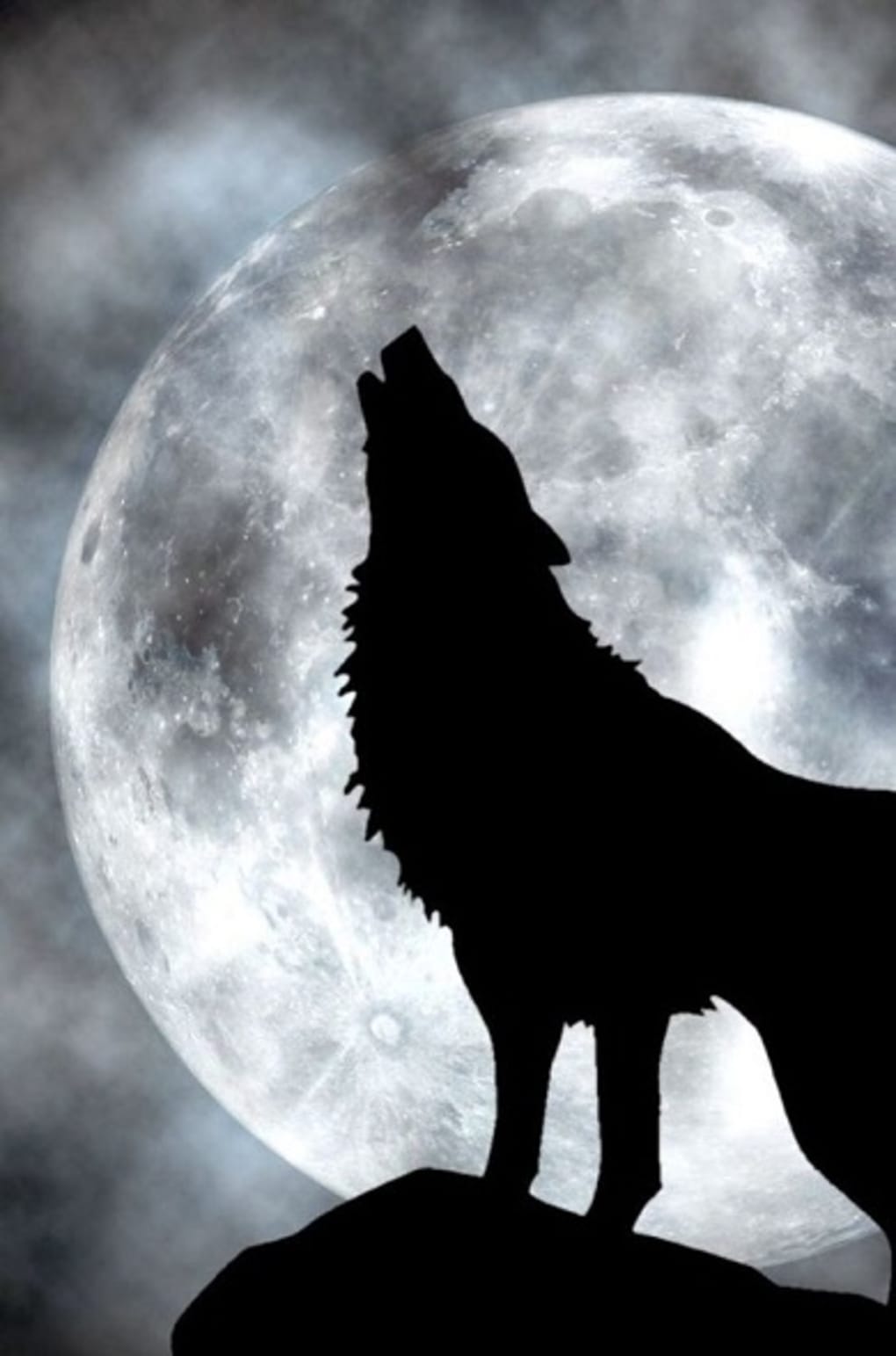
Embrace the elegance of dark canine imagery by integrating it into your personal or artistic expressions. This figure resonates deeply across cultures, often representing intuition, mystery, and the primal aspects of existence. Understanding levels of significance associated with this archetype can enhance your insights and creative endeavors.
Multiple traditions attribute profound meanings to this creature. In various Native American beliefs, it embodies a guardian spirit, symbolizing loyalty and a profound connection to nature. Certain mythologies depict it as a mediator between worlds, bridging the gap between the physical and spiritual realms. Such interpretations emphasize the role of this animal as not merely a symbol but as a guide through life's complexities.
Incorporate diverse elements related to this icon into your projects by considering its rich associations with instinct and inner strength. Artwork, storytelling, or spiritual practices can gain depth by weaving in these themes. By reflecting on personal connections to these symbols, one can discover unique interpretations that resonate on an individual level.
Understanding the Historical Roots of Black Wolf Myths
Investigate ancient cultures for insights about dark canines. Many tribes across continents revered these creatures, associating them with strength, protection, and mystery. In North American Indigenous beliefs, the entity symbolizes guidance and transition, representing both the shadow and the light in life.
Examine Norse mythology where dark-coated beasts are prominent. They appear in tales like Fenrir, a formidable force representing chaos and fate. This highlights a duality in portrayals–both revered and feared.
Look at Eastern traditions where shadowy animals often serve as spiritual guides or omens. In certain practices, they embody qualities like loyalty and ferocity, reflecting a balance of nature's forces.
Consider the significance in European folklore, where mystical stories depict these animals as protectors of the natural world and harbingers of transformation. They often symbolize resilience in the face of adversity.
Investigate how these historical narratives shaped contemporary perceptions. The dark canine's image continues to resonate in literature and art, influencing modern interpretations across various media. Understanding these roots enriches appreciation of the archetypes and lessons embedded in cultural narratives.
Interpreting Black Wolf Symbolism in Various Cultures
Different societies attribute various meanings to the dark canine, reflecting their unique traditions and beliefs.
- Native American Traditions: In many tribes, the dark creature represents loyalty, intelligence, and the significance of social structures. It is seen as a guide, leading individuals on personal quests.
- Germanic and Norse Mythology: The dark figure often symbolizes ferocity and protection. Associated with gods like Odin, it embodies aspects of war and guardianship, serving as a powerful ally in battles.
- Japanese Folklore: In some narratives, particularly involving the god Inari, the dark animal signifies fertility and prosperity. It represents the balance between life and death, a crucial concept in agricultural communities.
- Celtic Beliefs: The creature embodies transformation and adaptability. It is a symbol of the wild spirit, seen as a keeper of secrets and a guide to the mysteries of life.
- Chinese Culture: Here, the dark figure can represent a protective force but also a sense of danger. It signifies a need for harmony between opposing forces, reflecting the duality present in life.
These interpretations highlight diverse perspectives on the creature's characteristics, illustrating its multifaceted role across various cultures. Each view emphasizes different traits such as strength, guidance, and balance.
The Role of Black Wolves in Native American Spirituality
In many Indigenous cultures, these creatures represent strength, loyalty, and the connection to the spirit world. They are often seen as guides, embodying intuition and heightened awareness. Various tribes hold them in high esteem, perceiving them as protectors of sacred knowledge and facilitators of communication with the spiritual realm.
For instance, in some traditions, these beings are associated with the concept of the "family unit," symbolizing the importance of unity and cooperation within communities. Rituals may include storytelling, where elders share tales emphasizing ancestral wisdom linked to these animals, reinforcing moral values and tribal identity.
Consider participating in local ceremonies that honor these spirits, as they often involve offerings and prayers. Engaging with tribal elders can provide deeper insights into the roles they play in various narratives. Recognizing specific patterns of behavior among these animals can also enhance understanding of their significance. Observing their movements in nature may reveal parallels to human experiences, fostering a deeper connection with the environment.
Additionally, incorporating their symbolism into personal practices, such as meditation or vision quests, can facilitate personal growth and self-discovery. Visual representations, such as artwork or totem carvings, serve as reminders of their teachings and are often featured in traditional craftwork, further emphasizing their role in cultural artistry.
Connecting Black Wolf Traits to Personal Strength and Resilience
Utilize adaptability by adjusting strategies to face challenges. Cultivate tenacity, pushing through adversity with determination. Recognize instincts; trust inner voice when making critical decisions. Embrace independence while valuing collaboration; balance self-reliance with teamwork.
Channel intuition, enhancing perception and awareness in various situations. Leverage loyalty to build trustworthy relationships, creating a supportive network. Draw strength from community ties, actively engaging with like-minded individuals who share values and objectives.
Encourage perseverance by setting long-term goals; break tasks into manageable steps to maintain momentum. Reflect on past experiences to gain insights, using failures as lessons for growth. Develop emotional intelligence, recognizing and managing feelings effectively in personal and professional realms.
Practice patience in decision-making; avoid impulsive reactions by assessing all angles thoroughly. Embrace solitude for introspection, allowing time to recharge and gather thoughts. Strengthen resolve by facing fears head-on, transforming vulnerabilities into sources of power.
Utilizing Black Wolf Symbolism in Modern Spiritual Practices
Incorporate aspects of this majestic creature through guided meditations focusing on transformation and intuition. Visualize the spirit of the animal leading you through shadows, aiding in the discovery of inner strength.
Rituals involving crystals, particularly obsidian or black tourmaline, enhance protection and grounding while aligning with the creature’s attributes. Place these stones on altars or carry them during walks in nature for deeper connection.
Creating vision boards featuring images and motifs connected to this creature can serve as a powerful manifestation tool. Use these visuals to represent goals and desires associated with independence, wisdom, and intuitive decision-making.
Join communities or circles where discussions about animal totems thrive. Sharing experiences can reinforce personal connections to this specific spirit guide, amplifying its influence in daily life.
| Practice | Description |
|---|---|
| Meditation | Focus on inner guidance with visualizations incorporating the creature’s energy. |
| Crystals | Use obsidian, black tourmaline for protection, grounding, and enhancing intuition. |
| Vision Boards | Create boards with meaningful images to manifest desires linked to strength and wisdom. |
| Community Circles | Engage in discussions about spiritual connections to reinforce practices. |
Consider journaling experiences related to this creature. Documenting insights can reveal patterns and help in understanding personal growth influenced by its energy.
Finally, practice gratitude rituals that honor this teacher. Acknowledge its qualities in your life, fostering a deeper relationship with your spiritual journey.
Art and Literature: The Representation of Black Wolves
Incorporate imagery of shadowy canines into narratives to convey themes of mystery and danger. This creature often embodies ferocity and protection, serving as a guardian figure in various myths and tales.
Many authors, such as Jack London in "Call of the Wild," utilize canine characters to symbolize primal instincts and survival. Other literary works depict these animals as protectors of nature, reflecting a duality that captivates readers.
Visual artists frequently render these creatures in darker tones, emphasizing their majestic and enigmatic qualities. Painters like Franz Marc, famous for his animal depictions, abstractly interpret these forms to convey emotional depth and ancestral ties.
Films and graphic novels also exploit this creature's allure. Animated features often present them as loyal companions or fierce opponents, appealing to emotions of fear and admiration.
Tales from various cultures portray these beings as mystical figures, integrating them into folklore as embodiments of power and wisdom. Such narratives enhance understanding of human relationships with wildness and solitude.
Engage with these themes in contemporary works, encouraging a fresh perspective on the significance attributed to elusive canines in art and literature. Emphasizing their role as symbols of the unknown can lead to profound reflections on humanity's connections to nature and its darker aspects.