
Exploring the Mythology of Ze Zeus in Ancient Lore

To grasp the significance of the god associated with lightning, one must examine key texts such as Hesiod's "Theogony" and Homer's "Iliad." These works lay the groundwork for understanding his role as a ruler among deities and a figure of authority in mortal affairs.
Investigating regional interpretations enriches this perspective. In Crete, local legends portray him as a more humanized character, blending divine might with relatable traits. Tracing these variations sheds light on how perceptions of power and leadership evolved across different cultures.
Furthermore, analyzing symbols connected to this figure–like the eagle and the oak–reveals deeper meanings tied to sovereignty and nature. These motifs serve as gateways to unraveling the complexities of his cult and the rituals that honored him.
The narratives surrounding him serve as cultural reflections, conveying values such as justice and retribution, often acting as cautionary tales or moral guides for ancient societies. By critically assessing these stories, one gains insights into the societal norms and challenges of the time.
Exploring the Mythology of Zeus in Ancient Lore
To understand this powerful deity, examine specific tales and attributes that define his character. Focus on his role as king among divinities, symbolizing order and governance over chaos. Analyze various myths portraying his dominion, relationships, and transformations.
Consider these significant narratives:
- Overthrow of Cronus: Highlight the liberation of siblings, establishing a new regime.
- Battle against Titans: Assess his leadership during the conflict, showcasing strength and strategy.
- Prometheus and Fire: Explore the repercussions of granting humanity knowledge and the ensuing punishment.
Delve into his numerous epithets, which reflect diverse aspects:
- O clouds: Emphasizing control over weather and storms.
- Protector of Guests: Denoting his role in hospitality and justice.
- Father of Gods: Reinforcing authority and lineage among deities.
Examine festivals such as the Olympic Games, dedicated to honoring his influence. These rituals showcased athletic prowess and fostered unity among city-states, demonstrating his cultural significance.
Investigate artistic depictions, ranging from sculptures to pottery, which capture his formidable presence. Analyze the symbolism in these representations and their impact on societal values.
Review his portrayal in literature, particularly in works by Homer and Hesiod, who shaped perceptions of divinity through epic poetry and hymns.
Lastly, compare his significance across various regions and evolving traditions to comprehensively portray his lasting legacy. Identify how different ancient cultures adapted and integrated him into their own mythos, revealing a complex intertwining of beliefs and values. Emphasize this adaptability in addressing challenges and moral questions faced by humanity.
Understanding Zeus's Role in Greek Cosmology
Central to Hellenic worldview is the figure representing authority, governance, and natural phenomena. As ruler of Olympus, his influence extends over sky, weather patterns, and societal structures. Not merely a deity of thunder, this archetype embodies justice and order within the cosmic framework.
His dominion is often depicted through various myths, illustrating interactions with other divine beings and mortals. He maintains balance, dispensing both rewards and consequences. This underlines a belief in the interconnectedness of divine actions and earthly events.
Cosmic hierarchy places him above other deities, such as Poseidon and Hades, reflecting not just power but the intricate relationships defining existence. The following table outlines key aspects of this deity’s characteristics and their significance in mythic tales:
| Aspect | Significance |
|---|---|
| Supreme Authority | Enforces order among gods and mortals, ensuring cosmic harmony. |
| Weather Control | Influences agricultural success and the fate of cities, emphasizing his connection with nature. |
| Justice | Acts as arbiter, reinforcing moral codes and societal laws. |
| Patron of Hospitality | Encourages social bonds and cultural practices, reflecting community values. |
| Symbolism of Light | Embodies enlightenment and knowledge, guiding humanity through wisdom. |
This being’s narrative reveals deep-rooted themes in classic literature and philosophy, serving as a mirror to societal values and existential questions. Understanding his role allows for insight into ancient perspectives on governance and the natural order, illustrating how celestial beings influenced mortal lives.
Key Myths Featuring Zeus and Their Cultural Significance
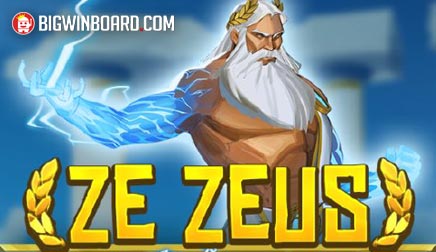
The tale of the Titanomachy illustrates the struggle between Olympian gods and Titans, marking Zeus's rise to supremacy. This narrative highlights themes of rebellion and the establishment of order, reflecting societal values around justice and authority.
The myth of Prometheus represents the tension between divine power and human ingenuity. Prometheus's act of stealing fire for humanity leads to severe punishment, symbolizing the consequences of defying the gods while showcasing the importance of knowledge and creativity in human culture.
Another significant story involves the abduction of Europa. In this legend, Zeus transforms into a bull to deceive and capture Europa, leading to the Phoenician lineage and cultural exchanges. It signifies relationships between different civilizations and the power dynamics inherent in them.
The birth of Athena from Zeus’s forehead illustrates themes of wisdom and strategic warfare. Athena's emergence is significant for promoting values of intelligence and warfare strategy, reflecting ancient Greek admiration for intellect as well as martial skills.
The narrative surrounding the Trojan War showcases Zeus as a mediator among gods when human conflicts arise. His decisions and interventions reflect ethical dilemmas regarding divine influence on human affairs, emphasizing the complex interplay of fate and free will.
Through these stories, important ideals of power, justice, intellect, and morality are embedded in cultural consciousness, shaping behavioral norms and ethical foundations in various societies influenced by these narratives.
Symbols Associated with Zeus and Their Meanings
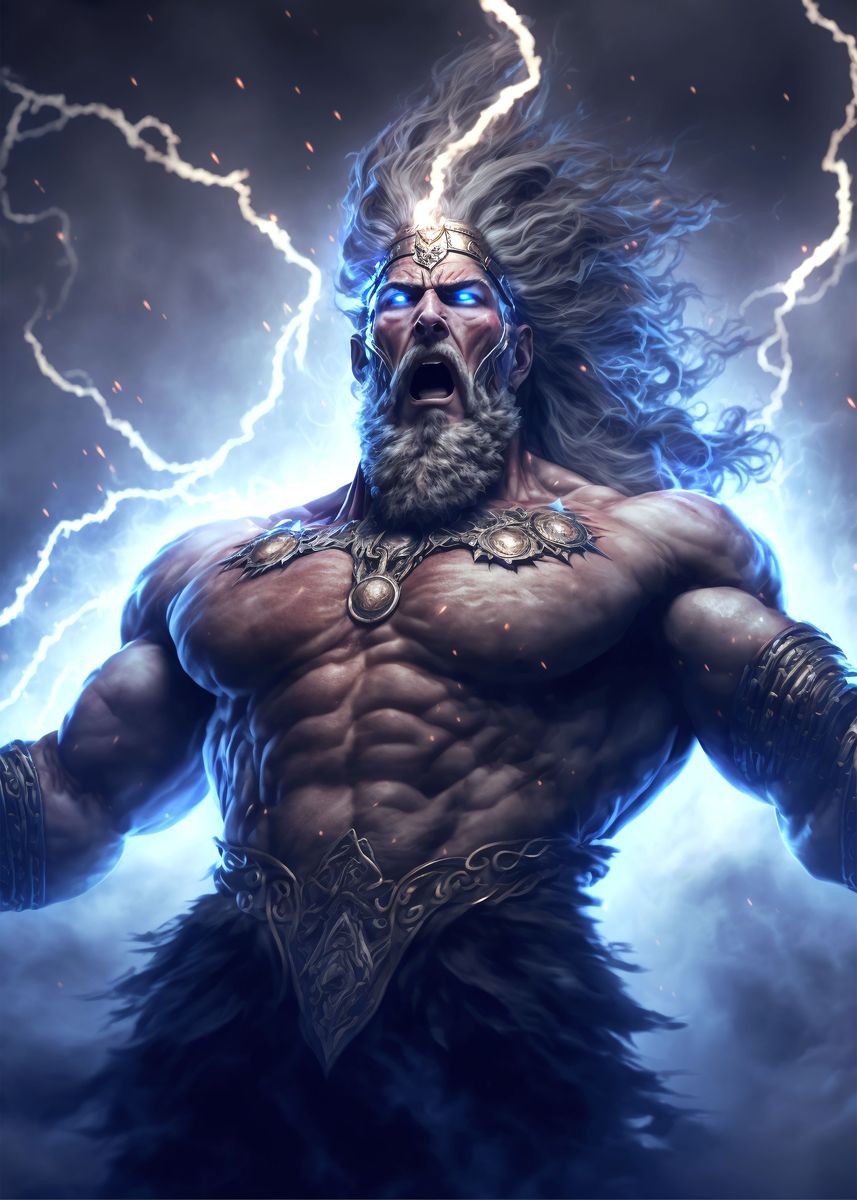
Lightning Bolt: A primary emblem, representing power, authority, and divine retribution. It signifies Zeus’s ability to enforce justice among gods and mortals.
Aegis: Often depicted as a shield or breastplate, symbolizing protection and support. It was believed to instill fear in enemies and provided safety to allies.
Eagle: This bird symbolizes strength, courage, and supremacy. As a messenger of Zeus, it connects the heavens and Earth, embodying the divine watchfulness.
Scepter: A staff representing royal authority and sovereignty. It illustrates Zeus's governance over both deities and mortals, showcasing his ruling power.
Thunder: Sound associated with storms, representing chaos and the uncontrollable forces of nature. It signifies Zeus's control over winds and weather patterns.
Starry Sky: Symbolizing the vast cosmos, the night sky reflects divine order and guidance. It represents his dominion over celestial bodies and fate.
The Impact of Zeus on Roman Mythology and Religion
Roman beliefs embraced the figure of Jupiter as a direct counterpart to the Greek deity. This adaptation deeply influenced various aspects of Roman culture, governance, and religious practices. Public ceremonies and rituals often honored Jupiter, showcasing his importance as the protector of the state and its citizens.
The integration of Jupiter into Roman life highlighted traits such as authority, justice, and order. His likeness adorned temples, coins, and public spaces, signifying power and piety. Temples dedicated to Jupiter were often the most significant architectural achievements in ancient Rome, including the prestigious Temple of Jupiter Optimus Maximus on the Capitoline Hill.
Mythic narratives surrounding Jupiter also emphasized his role in mythology. Many Roman texts drew from earlier tales, sometimes altering them to suit local beliefs and values. Jupiter's relationships, particularly with goddesses like Juno, reflected social norms and marital expectations prevalent in Roman society.
Festivals, such as the Ludi Romani, celebrated Jupiter's divine authority, showcasing games, theatrical performances, and religious processions. These events served to unite the populace under a shared sense of identity and devotion, reinforcing Jupiter's significance as a divine protector and leader.
Cult practices surrounding Jupiter, including sacrifices and prayers, demonstrated the belief in divine favor as crucial for the prosperity of the city. His perceived influence on agriculture, weather, and military success made him a central figure in the prayers of citizens seeking guidance and protection.
Through the adaptation of Greek narratives and the enhancement of local customs, Jupiter became an enduring symbol within Roman religion, shaping the moral and ethical framework of society while embodying the ideals of strength, authority, and divine oversight.
Comparative Analysis of Zeus and Other Supreme Deities
Focus on structural attributes and dominion characteristics of chief deities across various cultures. For instance, contrast the Greek figure with Odin from Norse epics. Both preside over their pantheons but diverge in their approach to rulership–Odin exhibits a more enigmatic and often solitary nature, while the former embodies authority and justice within an established community.
Evaluate similarities with Indra from Hindu traditions. Both wield thunder as a symbol of power; however, Indra's narrative places a heavier emphasis on warfare and seasonal cycles, positioning him as a protector against demons, reflecting agricultural concerns of his devotees.
Consider the Egyptian god Ra, a supreme entity linked to the sun. Unlike the Greek counterpart who often interacts and partners with other deities, Ra's mythos embodies singularity and the cyclical nature of time, highlighting a different aspect of divinity focused on creation and destruction within cosmic order.
Examine the relationship between these deities and their followers. The Greek figure inspires numerous myths that explore human traits and moral lessons, while others like Ra tend to emphasize divine authority and the uncontrollable forces of nature. Each deity serves a unique narrative purpose reflecting the cultural values and societal structure of their people.
Analyze how these figures embody local environments and cultural practices. The Greek god, associated with Mount Olympus, contrasts with mountain gods in other pantheons that may symbolize isolation or wilderness. This geographical connection influences worship practices and societal norms.
Finally, assess the transformation of these figures over time. While the Greek counterpart remains mostly consistent in character, others like Odin face evolving interpretations based on shifting cultural narratives and modern adaptations in literature and media. Understanding these shifts provides insight into the enduring legacy and relevance of these divine figures in contemporary society.
How Zeus's Myths Influence Modern Literature and Media
Contemporary storytelling draws heavily from ancient narratives featuring powerful deities. The character traits, conflicts, and archetypes rooted in tales of this iconic figure shape modern narratives.
- Character Archetypes: Traits of leadership, authority, and complexity associated with this god are reflected in protagonists across genres. Examples include:
- Superheroes in comics, exhibiting moral dilemmas and extraordinary powers.
- Fantasy rulers and gods in series like "A Song of Ice and Fire," showcasing ambitious figures.
- Conflict and Themes: Central conflicts often mirror struggles seen in ancient tales:
- Power dynamics in novels, exploring themes of betrayal and loyalty.
- Romantic entanglements, reflecting divine relationships from legend.
- Visual Media: Films and television series frequently adapt these narratives or draw inspiration:
- Animated films like "Hercules" reinterpret traditional stories for younger audiences.
- TV series such as "American Gods," where ancient entities interact with modern life.
- Literary References: Modern authors include allusions to these age-old myths in their works:
- Novels featuring characters named after deities to imply power or wisdom.
- Poetry that weaves in imagery or themes reminiscent of these ancient tales.
These influences manifest in diverse formats, revealing timeless human experiences and struggles that resonate with current audiences.