
Mega Diamonds Unveiled Insights and Trends

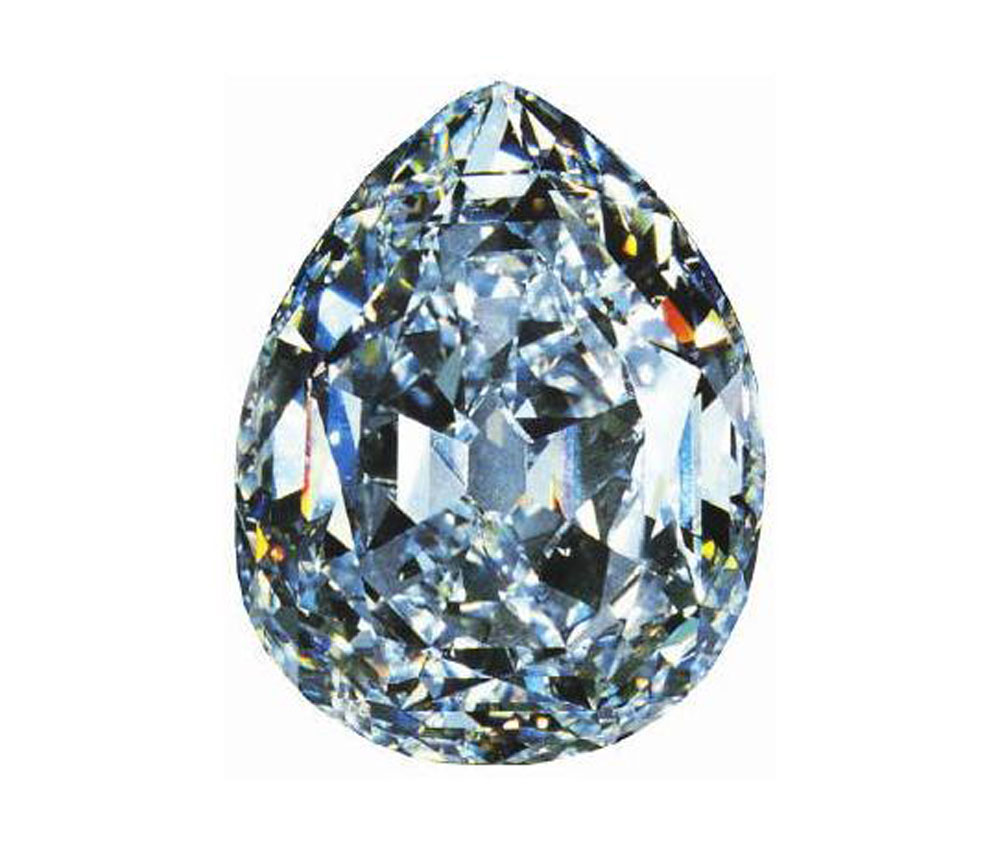
To maximize value within the high-end gemstone market, focus on sourcing stones with both rarity and high-quality cuts. An increasing demand for ethically sourced options has made natural and untreated gems significantly more desirable among collectors and investors alike.
Consider the rise in popularity of alternative gemstone varieties. Colored options such as sapphires, rubies, and emeralds are witnessing a surge in interest as consumers seek unique pieces that stand apart from traditional clear stones. This shift reflects a growing appreciation of individuality in personal adornments, a trend that is expected to persist.
Investment strategies should incorporate a well-rounded understanding of market fluctuations. Data indicates that a substantial portion of high-value transactions occurs in the auction space, making it prudent to monitor auction houses for trends in bidding behaviors and pricing, thereby identifying potential investment opportunities.
Market predictions show that expertise in gemstone identification and valuation is paramount. Buyers who educate themselves on grading systems, including cut, clarity, color, and carat weight, will gain a competitive edge, ensuring they make informed purchases that retain or increase their value over time.
Understanding the Market Value of Mega Diamonds
Assess the rarity and carat weight of large gemstones to determine their market value. High-quality specimens from reputable sources usually achieve premium prices. Focus on clarity, color, and cut, as these attributes significantly influence valuation.
Market conditions fluctuate, impacting pricing. Monitor auction results and private sales to gauge demand trends. Notable sales can enhance the perceived value of similar stones.
Consider the geopolitical climate and economic indicators affecting luxury commodities. Global wealth distribution, collectors' interests, and cultural factors can drive market variations.
Establish connections with industry experts and gemologists for accurate appraisals. Attend trade shows and gem fairs to observe current market dynamics firsthand.
Utilize technological advancements for authentication and grading. Certificates from recognized gemological laboratories add credibility and can justify higher prices.
Investments in exclusive pieces may appreciate over time. Analyze historical performance and track record of valuable stones to make informed decisions.
Evaluating the Technical Factors Driving Diamond Prices
Current market conditions dictate that supply chain efficiencies and global demand patterns play critical roles in pricing structures. Analyzing these elements yields actionable insights for stakeholders.
Miners' production costs directly affect retail prices. Rising operational expenses, including energy and labor, can constrict supply. Recent reports indicate a 15% increase in energy costs over the past year, impacting profit margins.
Quality grading impacts consumer perception and pricing. The Gemological Institute of America (GIA) grading system remains the gold standard, influencing approximately 80% of retail value assessments. Higher clarity and color grades consistently command premium pricing, as seen during the latest auction cycles where top clarities fetched records 25% higher than mid-range quality stones.
Another key factor is market sentiment. Economic stability and consumer confidence directly correlate with luxury spending. A survey revealed that 65% of consumers consider diamonds a valuable asset during economic downturns, which can stabilize prices.
Understanding technological advancements in mining and processing is crucial. Innovations, such as synthetic stones, are shifting consumer trends. The price of lab-grown alternatives has decreased by about 30% since last year, leading to a re-evaluation of natural stone pricing.
A thorough analysis of trading patterns reveals market fluctuations that can be harnessed for investment strategies. The following table outlines significant price drivers and their recent shifts:
| Factor | Impact on Price | Recent Changes |
|---|---|---|
| Production Costs | Increases retail prices | 15% rise in energy costs |
| Quality Grading | Determines market value | Top clarity stones fetched 25% above mid-range |
| Market Sentiment | Affects demand | 65% consumers prefer diamonds as assets in downturns |
| Technological Innovations | Shift in consumer preferences | 30% price drop in lab-grown equivalents |
Investors should closely monitor these factors to make informed decisions. Data on production forecasts and consumer behavior will be pivotal for anticipating future price movements.
Exploring Consumer Preferences in Mega Diamond Purchases
Consumers favor transparency in pricing and quality assessments. Offering detailed certifications and visible pricing structures boosts trust and encourages purchases. Brands should highlight the grading processes to clarify differences in value.
Another significant factor is personalisation. Tailoring experiences to individual customer preferences enhances engagement. Providing bespoke options allows buyers to feel more connected to their selections, leading to higher satisfaction rates.
Consumers increasingly seek unique attributes. Features such as color, clarity, and cut play a pivotal role in decision-making. Brands must leverage these characteristics in marketing campaigns to attract discerning clients.
Online platforms are essential for outreach. A robust digital strategy, including AR and VR tools, allows customers to visualize products practically. This technology improves the shopping experience and might lead to increased conversion rates.
Social media presence influences consumer behavior significantly. Engaging content and influencer collaborations can create a desirable image, enhancing brand appeal. Regularly sharing testimonials can validate product quality and drive interest.
Lastly, sustainability remains a priority. Eco-conscious consumers are drawn to ethical sourcing and sustainable practices. Highlighting these efforts can position a brand favorably in a competitive market, appealing to the values of modern buyers.
Analyzing Environmental Impact of Mega Diamond Mining
Prioritize the adoption of sustainable practices in extraction processes to mitigate ecological damage. For instance, implement advanced technologies such as water recycling and waste reduction methods to conserve resources and minimize pollution.
Regular environmental assessments are crucial to monitor the effects of mining operations on local ecosystems. Conduct comprehensive studies to evaluate soil degradation, water quality, and biodiversity changes in affected areas. Engage independent auditors to ensure transparency and credibility in reporting.
Support initiatives aimed at reforestation and habitat restoration post-mining. Rehabilitating land can counteract some environmental harm caused during extraction, promoting ecosystem recovery and enhancing community relations.
Collaborate with local communities to develop impact mitigation plans. Incorporate their insights into monitoring strategies and encourage local participation in conservation efforts, which can lead to more effective outcomes.
Transition to renewable energy sources for mining operations to cut greenhouse gas emissions. Solar or wind energy can significantly reduce reliance on fossil fuels, aligning operations with global climate goals.
Establish partnerships with environmental organizations to develop best practices and share knowledge. These collaborations can foster innovative approaches to minimize the ecological footprint and promote sustainable mining.
Identifying Investment Opportunities in Mega Diamonds
Focus on rarity and provenance. Look for stones with unique characteristics, such as exceptional color or clarity, which can command higher prices. Research the historical significance of specific stones or the mines from which they originated.
Consider market demand. Analyze current trends in gem valuation and buyer preferences. High-profile sales at auctions often set benchmarks; tracking these events can provide valuable data on investment potential.
- Color: Colored gems, particularly those with vivid hues, have been increasing in value. Ensure you validate color grading through reputable certifications.
- Size: Larger specimens typically yield higher returns, but assess the market saturation; extreme sizes might not always equate to larger profits.
- Certification: Invest in gems with recognized authentication from established laboratories. This adds credibility and aids resale.
- Emerging Markets: Keep an eye on regions where wealth is increasing, such as certain parts of Asia. New affluent consumers often seek luxury gemstones.
Engage with knowledgeable dealers and attend industry events to gain insights. Building relationships can lead to exclusive offerings and early access to promising investments.
Evaluate the economic climate. During recession periods, luxury items may see a decline; conversely, in times of growth, luxury spending tends to rise. Timing your purchases strategically can enhance profit potential.
- Conduct a thorough analysis of recent auction results.
- Assess the gemstone's market history.
- Factor in maintenance and insurance costs before committing.
Stay updated with changes in regulation or taxation in the luxury goods sector, as these can impact investment viability significantly.
Prioritize liquidity. Gems tied to current trends may sell quickly, while those in niche markets may require longer holding times. Balancing these factors is essential to manage financial risk and maximize returns.
Future Trends: Innovations in the Mega Diamond Industry

Adopt blockchain technology to ensure transparency and traceability in the authenticity of gemstones. This approach facilitates consumer trust and aids in combating fraud in the marketplace.
Implement sustainable practices including lab-grown options that appeal to environmentally-conscious buyers. The demand for ethical sourcing continues to increase; offering these alternatives can enhance market positioning.
Leverage Artificial Intelligence for both design and sales processes. AI can provide personalized recommendations to customers, thereby enhancing the shopping experience and increasing conversion rates.
Integrate augmented reality solutions for virtual try-ons. This technology allows customers to visualize how jewelry pieces look on them without needing to physically try them on, facilitating online purchasing.
Focus on customisation tools that allow consumers to design their pieces online. Interactive platforms that let clients choose shapes, sizes, and settings can boost engagement and drive sales.
Expand marketing strategies to include social media influencers. Collaborations with trendsetters can significantly enhance brand visibility and reach younger demographics more effectively.
Enhance supply chain efficiencies through automation and advanced logistics solutions. Streamlined operations can reduce costs and improve delivery times, ultimately benefiting both retailers and consumers.