
Midas Golden Touch Myth and Its Modern Interpretations

Consider how the tale of the monarch who could transform everything he touched into precious materials serves as a cautionary tale. This narrative highlights the perils of avarice and the unintended consequences of desires that might seem appealing. It's essential to approach such stories through the lens of contemporary societal values, examining how they reflect modern obsessions with wealth and material possessions.
Analyzing this ancient story offers valuable insights into current cultural dynamics. The protagonist's experience can be associated with today's fixation on rapid success and the relentless pursuit of riches. Many individuals and corporations strive for instant gratification, often overlooking the potential pitfalls that accompany such ambitions.
Reflecting on the lessons from this age-old account encourages a reevaluation of priorities. It advocates for a more balanced approach to ambition, promoting the idea that true fulfillment stems not from the accumulation of wealth but rather from meaningful connections and thoughtful actions. By embracing this perspective, individuals can learn to identify what genuinely enriches their lives, rather than simply chasing the allure of fortune.
Understanding the Origin and Story of King Midas
The tale of this monarch originates from ancient Greek literature, notably recounted by Ovid in "Metamorphoses." It highlights themes of desire, greed, and the repercussions of one's actions.
The narrative begins with a character noted for his wealth and discontent with mere material possessions. A key figure in the landscape of this story is the god Dionysus, who sought retribution for a slight against his follower. This event sets in motion the demise of the king's happiness.
As a reward for hospitality, Dionysus granted him a single wish. The king's request for riches transformed into a curse, as everything he touched morphed into gold. The consequences were severe; food and drink turned to metal, isolating him from joy.
- The inability to enjoy meals led to suffering.
- The embrace of solitude meant a loss of companionship.
- The desperation drove him to renounce the divine favor and plead for removal of the curse.
This sorrowful twist emphasizes the importance of balance between wealth and well-being. The narrative illustrates that unchecked desires can lead to dire outcomes. As the tale concludes, the monarch's journey leads him back to a simpler existence, where true happiness resides in relationships rather than possessions.
Interpretations over centuries spotlight the moral lessons derived from his experiences, resonating with contemporary audiences. Each retelling serves as a reminder about the values of moderation, contentment, and the perils of greed.
Analyzing the Symbolism of Midas' Golden Touch in Contemporary Society
Contemporary interpretations of wealth and prosperity often highlight the dangers of greed and materialism. Exploring the legendary character's ability to transform everything he touches into gold serves as a cautionary tale about the pitfalls of excessive desire for riches.
The modern financial landscape reveals a parallel to the story: the quest for quick gains can lead to adverse consequences, such as emotional detachment and loss of meaningful relationships. This narrative underscores the importance of balance between ambition and personal fulfillment.
In the context of consumer culture, the obsession with status symbols and luxury items reflects a superficial understanding of success. The tale's moral suggests that the relentless pursuit of material wealth can result in personal desolation, emphasizing the need for authenticity and deeper values beyond mere accumulation.
Environmental concerns also resonate with the story's themes. The relentless quest for resources and profit can lead to ecological deterioration, mirroring the devastating repercussions of unbridled greed depicted in the legend. This connection calls for a sustainable approach that prioritizes harmony with nature over short-term financial gain.
Further analysis points to the significance of self-awareness. Individuals and societies must recognize the limitations of material success. By prioritizing relationships, creativity, and holistic well-being, one can avoid the fate of the character and find a more satisfying existence.
The character's narrative serves as a powerful reminder that wealth, while desirable, should not overshadow more meaningful pursuits. In today's society, fostering a balanced perspective on prosperity can lead to more sustainable and fulfilling lives.
Lessons from the Midas Myth Applied to Personal Wealth Management
Prioritize diversification in your investment portfolio. Allocate resources across various asset classes to mitigate risks associated with market fluctuations. This approach reduces dependency on a single investment and increases the likelihood of stable returns.
Practice prudent spending habits. Track your expenses and distinguish between needs and wants. Establish a budget that accommodates essential expenditures while allowing for occasional discretion without jeopardizing overall financial health.
Value financial education. Understand different investment vehicles, tax implications, and market dynamics. Attend workshops or read literature that enhances your knowledge about personal finance, helping you make informed decisions.
Avoid impulsive financial decisions. Take time to analyze any investment opportunity, ensuring it aligns with your long-term financial goals. Consult with a financial advisor if necessary to provide clarity and strategic planning.
Set specific and achievable financial goals. Break down long-term objectives into smaller, manageable milestones, making it easier to monitor progress and stay motivated. Regularly review these goals to adapt to changing circumstances.
Establish an emergency fund to cover unforeseen expenses. Aim to save at least three to six months’ worth of living expenses in a liquid account, providing peace of mind and security in times of financial uncertainty.
Emphasize the importance of giving back. Allocate a portion of your resources to charitable endeavors or community initiatives. This practice not only enriches the lives of others but also fosters a sense of fulfillment and purpose.
Impact of Midas on Modern Pop Culture and Media Representations
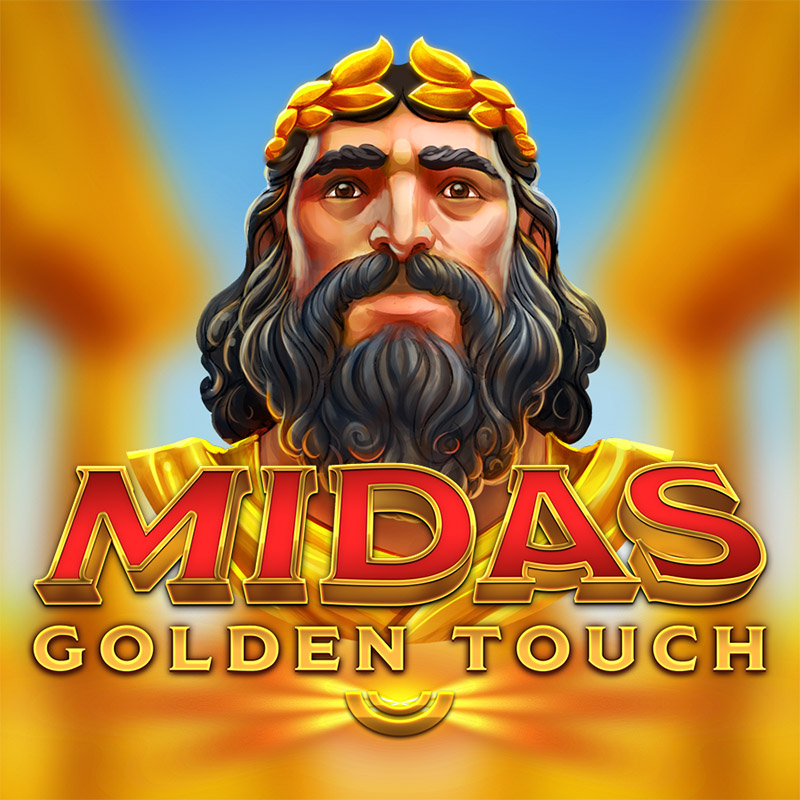
The legend of the wealthy king has influenced contemporary art, literature, and entertainment. From films to television shows, references to his fable frequently appear in various forms, illustrating the dangers of excessive greed and the unforeseen consequences of one’s desires.
Television series such as "Buffy the Vampire Slayer" and "Once Upon a Time" have engaged with this narrative, using motifs of transformation and curse to explore broader themes around morality and consequence. Similarly, animated films often adapt classic stories, weaving in elements from this tale to convey messages about the importance of balance in life.
Video games, too, draw inspiration from these ancient tales. Titles like "God of War" incorporate elements of mythological narratives, allowing players to experience the implications of greed firsthand. Interactive storytelling brings new dimensions to the character, deepening engagement through gameplay that challenges the player's decisions.
Advertisements cleverly use his tale to comment on consumerism, showcasing the thin line between desire and excess. By evoking the character’s story, brands convey warnings about the pitfalls of unchecked ambition in a humorous and relatable manner.
Literary works continue to reinterpret his story, often focusing on psychological implications and deeper character studies. Novels explore the internal struggles faced by individuals who grapple with their aspirations and the impact such desires have on relationships.
The persistent presence of this character in various media underscores its relevance, reminding audiences of the enduring lessons tied to the nature of human desire and the complexities of wealth. This enduring narrative serves not just as entertainment but as a moral compass, inspiring reflection on personal values and ethics in contemporary society.
Exploring Environmental Themes in Midas' Greed and Consequences
This narrative serves as a cautionary tale regarding unchecked ambition and its repercussions on nature. The protagonist’s insatiable desire for wealth leads to dire ecological impacts, illustrating a profound connection between greed and environmental degradation.
Exploitation of resources can result from a relentless pursuit of material gain. This theme resonates in current discussions about the consequences of overconsumption and habitat destruction. Acknowledging the relationship between human desires and ecological health can enhance our understanding of sustainability.
Modern interpretations of this tale suggest actionable solutions such as:
| Actionable Steps | Description |
|---|---|
| Resource Management | Implementing sustainable practices to minimize depletion of natural resources. |
| Public Awareness | Educating communities about the impact of greed on ecosystems. |
| Conservation Initiatives | Supporting projects focused on restoring habitats and protecting biodiversity. |
| Policy Advocacy | Encouraging legislation aimed at regulating resource use and promoting environmental responsibility. |
Reflection on the consequences faced by the main character can provoke critical thinking about personal choices and societal values. Encouraging individuals to assess their consumption patterns may foster a more sustainable approach to wealth and consumption.
Interpreting this ancient story through an environmental lens highlights the parallels between past and present. Acknowledging the divine-like consequences of self-serving actions can motivate a shift towards more ethical stewardship of our planet.
Comparative Myths: Midas and Other Cultures’ Stories of Wealth and Desire
Explore allegories of material aspiration found across diverse cultures, highlighting similar narratives that reflect human greed and the quest for riches. Examining the tale from ancient Greece, alongside other global narratives, reveals underlying themes regarding wealth consumption and its consequences.
In the context of African traditions, the story of Shango, the god of thunder and lightning, emphasizes the duality of wealth and power. Shango's narrative warns of the precarious nature of material gain, often tied to the moral responsibilities of leadership. Wealth brings influence, but it also demands accountability and ethical stewardship.
Similarly, the tale of King Solomon in Jewish traditions illustrates wisdom as a pathway to prosperity. Solomon is portrayed as rich but equally as wise, showcasing how intelligence plays a crucial role in acquiring and sustaining wealth. His legendary riches are a byproduct of discernment rather than mere desire for gold.
Turning to South Asian lore, the character of Maharaja Vikramaditya serves as a reminder that unchecked ambition can lead to one's downfall. His tale emphasizes the dichotomy between aspiration and excess, presenting wealth as a transient entity that can easily be lost through arrogance or poor judgment.
In Eastern philosophy, the story of Buddha contrasts the pursuit of wealth with spiritual enlightenment. The narrative underscores the idea that true riches lie not in material possessions but in wisdom and inner peace, challenging societal norms around wealth accumulation.
Latin American folklore brings forth the legend of El Dorado, a city of gold that lured explorers to their demise. This story warns of the seductive nature of gold, portraying it as an illusion that can lead individuals astray, ultimately highlighting the emptiness that often accompanies unrestrained desire for wealth.
These diverse narratives collectively reveal a universal cautionary stance on treasure-seeking. They prompt reflection on the balance between ambition and morality, encouraging societies to reconsider the value placed on material gain versus intrinsic fulfillment.