
The Dog House A Guide to Designing Your Pet Paradise

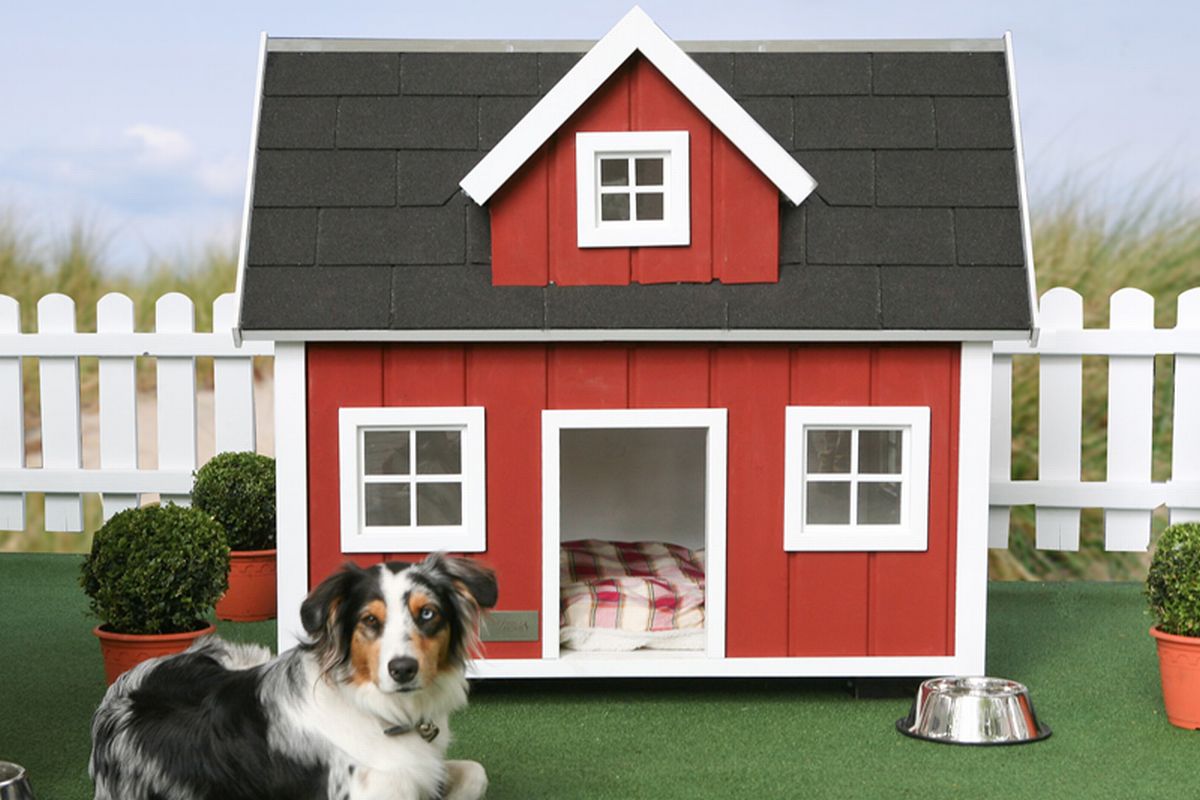
Prioritize safety and comfort by selecting non-toxic materials when crafting the living space for your furry companion. Choose durable, easy-to-clean surfaces, such as tiles or sealed wood, to ensure hygiene while resisting wear and tear from playful activities.
Consider environmental factors that influence your companion's well-being. Adequate ventilation is crucial, so incorporate windows or ventilation systems to maintain fresh air circulation. Natural light aids in mood enhancement, making it beneficial to include windows that allow sunlight to stream in.
Incorporate functional elements tailored to your companion's needs. Create dedicated areas for sleeping, eating, and playing. Elevated beds and stylish feeding stations can enhance comfort and accessibility. Use interactive toys and climbing structures to engage their curiosity and promote physical health.
Think about aesthetics by blending natural elements into the space. Incorporating plants can provide a vibrant atmosphere, but be mindful of toxic species. Choose pet-safe greenery that can thrive indoors, contributing to a healthier living environment.
Optimize your layout to facilitate movement and comfort. Ensure your companion can navigate their surroundings freely. Use furniture and decor to create cozy corners while maintaining an open space for energetic play. Regularly reassess and adjust elements within this sanctuary as their preferences evolve over time.
The Dog House: A Guide to Designing Your Pet Paradise
Choose materials that ensure durability and comfort. Opt for weather-resistant options like cedar wood or high-quality plastic to withstand varying climates. Ensure adequate insulation, particularly in colder regions, to keep furry companions warm.
Consider the layout carefully. Create distinct zones for sleeping, playing, and eating. A raised sleeping area keeps pets dry in wet weather, while a shaded play section offers protection during hot days. Add an outdoor space where they can enjoy fresh air and safe exploration.
Incorporate ventilation systems to promote airflow. Windows or vents should be strategically placed to avoid drafts while allowing sunlight to enter. This helps maintain a comfortable atmosphere year-round.
Accessibility is key. Provide easy entry and exit points for larger breeds, while ensuring smaller ones have cozy nooks to retreat into. Utilize non-slip flooring materials to prevent accidents and enhance safety.
Include functional features such as storage for toys, grooming supplies, and food. Shelves or cabinets help keep the area organized while ensuring everything is within reach. Waterproof surfaces are ideal for messes.
Enhance aesthetics with personal touches. Use colors that reflect personality, and consider adding decorative elements that resonate with the environment. A well-themed indoor space can elevate mood and energy.
Finally, regularly assess and update the space according to changing needs and behaviors. Adaptability ensures that the area remains a joyful retreat through all life stages.
Choosing the Right Location for Your Dog House
Select a site with proper drainage to prevent flooding. Elevated areas or spots with natural slopes work well.
- Ensure adequate sunlight exposure for warmth. Morning sun is ideal, while too much afternoon heat should be avoided.
- Locate away from strong winds to provide comfort. Windbreaks like trees or fences can help.
- Avoid placing it near potentially hazardous areas, such as pools or busy pathways.
Consider accessibility for both human and canine inhabitants. A spot that is reachable year-round is best.
- Check proximity to your home for monitoring. This can save time and energy when tending to needs.
- Keep in mind local regulations about animal shelters. Ensure compliance to avoid issues.
Assess the terrain and surroundings before making a final choice. Level ground reduces possible injury.
- Investigate neighborhood noise levels. A quiet area offers a calmer environment.
- Look for shade options to help manage heat during summer months.
Selecting Materials for Durability and Comfort
Select high-quality wood like cedar or redwood for structural elements. These species resist rot and pests, extending longevity. Consider pressure-treated lumber for additional moisture resistance.
For siding and roofing, opt for metal or composite materials. Metal offers strength and minimal maintenance, while composites provide insulation and resist fading. Ensure all products meet safety standards for your furry friends.
When it comes to flooring, choose slip-resistant options such as textured rubber or treated concrete. These surfaces help prevent accidents and provide cushioning. Avoid glossy finishes that might be hazardous.
Insulation is equally important. Use foam boards or fiberglass to maintain a comfortable temperature throughout seasons. This helps regulate heat during summer and retain warmth in winter.
Select non-toxic paints and finishes to ensure a safe environment. Look for low-VOC products to minimize harmful emissions, which can be beneficial for both occupants and the surrounding air quality.
For soft furnishings, synthetic fabrics like outdoor-grade polyester resist moisture and staining. Ensure materials are easily washable to maintain cleanliness and hygiene.
Designing for Temperature Control and Weather Resilience
Utilize insulated materials such as foam board or reflective metal to enhance thermal regulation. Ensure proper ventilation by incorporating adjustable vents or windows to allow airflow while maintaining temperature. Strategically position the structure to minimize exposure to harsh sunlight or cold winds.
Install a sloped roof to facilitate rain runoff and prevent water accumulation, which can lead to leaks or structural damage. Choose durable, weather-resistant materials for roofing and siding to withstand varying climates. Implement drainage systems to direct excess water away from the building.
Consider using natural elements, like shade trees or hedges, to provide additional shelter from sun and wind. Creating a microclimate can significantly improve comfort during extreme temperatures.
Incorporate radiant heating systems for colder months or use thermal mass materials to retain heat. For warmer periods, reflective coatings and light-colored surfaces can deflect sunlight, helping maintain a cooler environment.
Regular maintenance checks are essential. Inspect roofing and insulation periodically to identify and address any wear, ensuring longevity and resilience against weather conditions.
Integrate outdoor structures with appropriate coverings or windscreens to enhance protection against inclement weather. This will create a safe and comfortable zone for animals, regardless of seasonal changes.
Incorporating Security Features for Your Pet's Safety
Install secure fencing with a height of at least 6 feet to deter climbing. Use materials like vinyl-coated wire or solid panels for robust barriers. Ensure that gates are self-closing and equipped with locks.
Consider surveillance cameras positioned around the area to monitor activities. Opt for models with night vision and motion detection to enhance safety.
Implement alarm systems triggered by unauthorized access. Integrate sensors on gates and doors to alert you instantly if breached.
Secure any openings with sturdy mesh to prevent escape or unwanted entry. Regularly check for wear and tear that could compromise security.
Restrict access to hazardous areas with childproof locks on sheds or garages. Store chemicals, tools, and hazards out of reach.
Table below presents additional security features to enhance your space:
| Security Feature | Description |
|---|---|
| Microchipping | Provides permanent identification in case of loss. |
| Anti-Bark Collars | Discourages escape attempts by creating a deterrent. |
| Paw-Proof Locks | Prevents accidental openings from curious paws. |
| Outdoor Cameras | Monitors surroundings in real-time, day and night. |
| Motion Sensor Lights | Illuminates paths when movement is detected. |
Periodic assessment of safety measures ensures they remain functional and efficient. Develop a system of checks to maintain the security of environment consistently.
Customizing Interior Layout for Optimal Space Utilization

Utilizing vertical space enhances functionality. Install shelves for toys or supplies at varying heights. This creates storage without sacrificing floor area. Consider utilizing wall-mounted units for added convenience.
Designating zones contributes to organization and minimizes chaos. Create specific areas for sleeping, playing, and eating. Use rugs or mats to delineate these sections, making it intuitive for inhabitants.
Incorporate multipurpose furniture. Opt for benches with storage beneath or collapsible items that can be hidden away when not needed. This approach maximizes available space, preventing clutter.
Utilize an open layout that promotes movement. Avoid bulky barriers; instead, use furniture arrangements that facilitate flow. Leave pathways clear to enhance accessibility and promote safety.
Consider integrating custom built-ins. Tailor these to fit the unique measurements of the area, ensuring every inch serves a function. This allows for a personalized touch while maximizing usable space.
Use lightweight and movable items to adjust the layout as needed. Flexible arrangements adapt to various activities or gatherings, ensuring the environment remains engaging and practical.
Incorporate natural light through windows or skylights. Proper lighting fosters an inviting atmosphere and aids in monitoring activity across the space.
Assess dimensions and proportions while planning. Ensure that larger elements do not overwhelm, maintaining a balanced aesthetic conducive to comfort and enjoyment.
Adding Personal Touches and Accessories for Enjoyment
Incorporate unique items such as personalized name tags or custom bedding to reflect individual character. Handcrafted toys add charm while providing fun. Consider a cozy reading nook outfitted with plush cushions where furry companions can relax alongside favorite books.
Decorate walls with framed photos capturing moments together, or even art pieces featuring beloved animals. Indoor plants that are safe for animals can enhance ambiance and create a refreshing atmosphere. Aquatic life in a small fish tank can also serve as a captivating focal point.
Utilize multi-functional furniture to save space and provide comfort, like a bench with storage for toys or treats. Choose colors and themes that match overall aesthetic to deepen the connection between space and personal style. Outdoor areas can benefit from fun features such as agility equipment or water play areas.
Install lighting that creates a warm environment, enhancing evenings spent together. Adding scent diffusers with pet-safe essential oils can elevate mood and relaxation. Thoughtful touches ensure enjoyment while celebrating the bond shared with companions.