
The Enduring Influence of Athena in Ancient Culture

Examine how a figure revered for wisdom and warfare shaped various facets of early civilizations. From architectural marvels to literature, her presence transcended mere mythology, influencing legal systems and societal structures.
Investigate artwork and artifacts, revealing the reverence held by artisans and thinkers alike. Statues and temples dedicated to this deity became symbols of strength and intellect, reflecting the values and aspirations of city-states in their golden eras.
Analyze historic texts that showcase her character as a protector and strategist. Philosophers and playwrights drew upon her qualities, crafting narratives that emphasized virtues such as reason, justice, and courage, which resonated with audiences and echoed through generations.
Explore contemporary interpretations and how they relate to ongoing discussions about gender, power, and ethics. Her influence can be seen in modern discussions around leadership and wisdom, proving the relevance of her legacy in shaping societal norms.
The Role of Athena in Greek Mythology and Religion
Goddess of wisdom, warfare, and craft played a pivotal part in the belief system and stories of ancient Greeks. She was not just a deity; she represented a complex blend of intellect and strategy in battle, making her a key figure among Olympians. Legends often depict her as a protector of heroes, guiding them in their quests and providing them strategic advice.
Her birth from Zeus, fully grown and armored, symbolizes the union of intellect and strength. Festivals such as Panathenaea showcased her significance, featuring athletic competitions, cultural events, and offerings to honor her. Iconic temples, notably the Parthenon, were dedicated to her, reflecting her high status in both civic and spiritual life.
Her association with Athens, the city named in her honor, highlights her role as a guardian and benefactor. Myths recount her competition with Poseidon for patronage of the city, where she gifted the olive tree, symbolizing peace and prosperity, while Poseidon presented a saltwater spring. This deciding moment established her as the city's protector and shaped its values.
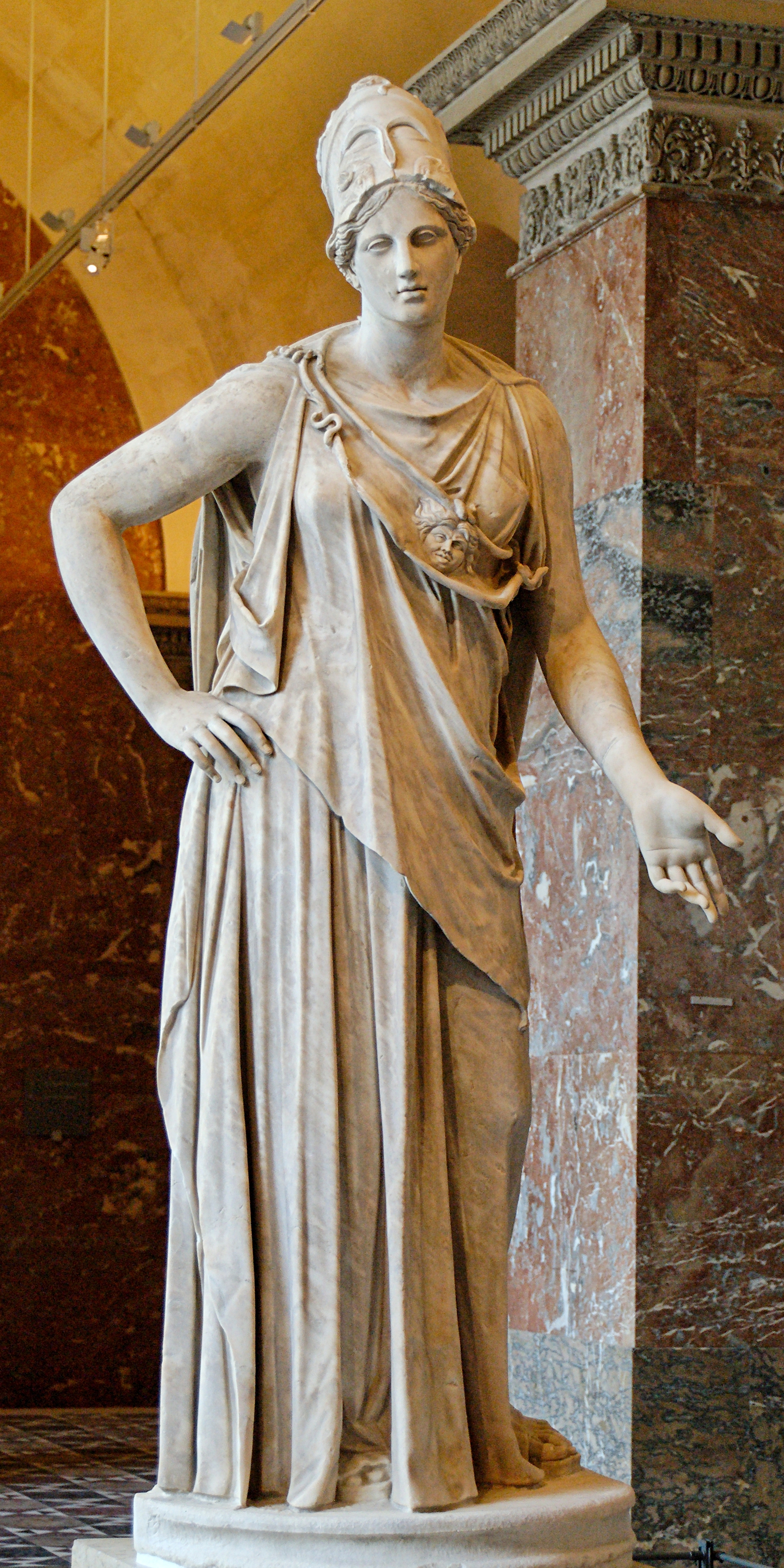
In religious practices, she was invoked before battles for guidance and wisdom. Rituals often included prayers and offerings to seek her favor, underscoring her importance in military success. Her depictions in art, as a woman equipped with armor and a helmet, reinforced her dual nature as a strategist in warfare and a source of inspiration for crafts, including weaving and pottery.
Overall, this goddess encapsulated ideals of courage, intelligence, and civic responsibility, leaving an imprint on various aspects of societal structure, mythology, and artistic expression in her time.
Artistic Representations of Athena in Classical Sculpture
Examine representations of this deity through examining key works, including the Parthenon sculptures. The Elgin Marbles, part of this iconic temple, showcase her in battle attire, highlighting valor and wisdom.
The statue of Athena Parthenos, crafted by Phidias, stands as a monumental example of this goddess embodying both martial and intellectual attributes. Its colossal height and intricate detailing reflect the cultural reverence for her. Observing such sculptures reveals how artisans conveyed narrative and symbolism, integrating cultural ideals and societal values.
Another significant piece, the Athena Lemnia, offers a different perspective, presenting a more serene and composed visage. Its Hellenistic features indicate shifting ideals, showing artists' exploration of character and emotion beyond mere physical prowess.
Analysis of various styles, such as archaic kouroi and later classical forms, highlights the evolution of artistic techniques and thematic representations of this figure. A focus on drapery and anatomical precision marks advancements in sculpture, illustrating the transition from rigid forms to dynamic postures, embodying the shifting perceptions of heroism.
Consider how local variations in different city-states brought individual traits into representation, providing insights into regional worship practices. Understanding these artistic depictions fosters deeper appreciation for the multilayered significance attributed to this figure over centuries. Each sculpture serves not only as art but as a narrative foundation reflecting societal values and beliefs.
Athena’s Impact on Ancient Warfare and Military Strategy
Adoption of strategic wisdom influenced by the goddess resulted in significant advancements within military conduct. Her embodiment of warfare intelligence emphasized the importance of strategy over brute force. Generals frequently consulted her, seeking guidance on tactical decisions and battlefield maneuvers, which often shaped the outcome of crucial encounters.
Key practices inspired by her principles involved innovative formations. The use of the phalanx, characterized by tightly packed infantry, became a hallmark of Greek military effectiveness. This strategy minimized vulnerabilities, enhancing cohesiveness and defensive capabilities.
Intellectual preparation was equally prioritized. Acknowledging that battles could be won through superior planning, commanders engaged in thorough reconnaissance and resource assessments, reflecting Athena's strategic mindset. This foresight often provided a decisive edge against opponents who relied solely on numerical strength.
Furthermore, the goddess’s association with technology fostered advancements in weaponry and fortifications. The development of sophisticated siege engines and fortified city defenses were direct results of applying her principles, bolstering the capabilities of military forces and their resilience in prolonged conflicts.
Rituals were commonplace, where leaders would invoke her name prior to battles, seeking divine favor. These practices underscored the merging of military prowess with spiritual beliefs, reinforcing the idea that intellect and divinity were critical components for success on the battlefield.
Historical records highlight instances where her strategic principles led to major victories. The Battle of Salamis showcased the importance of naval tactics, where a smaller fleet outmaneuvered a larger adversary by leveraging terrain and superior maritime strategies inspired by the goddess.
Her legacy continued to inform military philosophy, emphasizing wisdom, strategy, and preparation as paramount qualities. This approach not only galvanized armies but also fostered a culture of thoughtful leadership, paving the way for successive generations of military strategy.
The Influence of Athena on Philosophy and Intellectual Thought
Direct engagement with Socratic methods reveals how the goddess inspired critical thinking and dialectical reasoning. Socrates’ pursuit of virtue, knowledge, and moral integrity parallels aspects attributed to her character. Consider Socratic dialogues as platforms promoting wisdom, curiosity, and ethical discussions, mirroring the values rooted in her persona.
Plato, a pivotal figure in Western philosophy, often drew on concepts that resonate with her attributes. His allegory of the cave symbolizes enlightenment, a theme represented by her role as a goddess of wisdom and strategy. His writings push for the examination of reality versus perception, aligning with her essence of rational thought.
Aristotle’s works expand further, classifying knowledge into categories emphasizing logic and ethics, connecting to the intellectual pursuits she epitomizes. He regarded contemplation as the highest form of existence, emphasizing practical wisdom closely tied to her teachings.
| Philosopher | Connection to the Goddess | Key Work |
|---|---|---|
| Socrates | Critical Thinking | Various Dialogues |
| Plato | Enlightenment and Reality | The Republic |
| Aristotle | Practical Wisdom | Nicomachean Ethics |
| Stoics | Virtue and Rationality | Meditations |
The Stoic philosophers also reflect her impact, emphasizing virtue as the highest good. Their teachings focus on self-control and rationality, foundational principles inspired by her wisdom.
This connection extends to later intellectual movements, shaping Renaissance humanism, where her characteristics fostered a renewed interest in classical thought and individual reasoning. As thinkers sought to blend philosophy, art, and science, her presence remains palpable through their works.
Cultural Festivals Dedicated to Athena: Celebrating Pallas
Choose to explore the Panathenaic Festival, a key celebration held in Athens every four years. This event featured a grand procession, athletic competitions, and musical contests. The highlight was the presentation of a new peplos, a ceremonial robe, to the statue of Pallas in the Parthenon.
- Procession: Citizens carried offerings, showcasing community participation and devotion.
- Athletic Games: Consider attending events such as the footrace and wrestling, emphasizing physical prowess and honoring Pallas’s warrior aspect.
- Artistic Competitions: Musicians and poets competed, highlighting artistic expression integral to the honoring of this deity.
Participate in lesser-known local festivals, like the Plynteria, celebrated annually. This event involved rituals for cleansing the statue of Athena and renewing the city's commitments.
- Cleansing Ritual: Engage in the symbolic washing and dressing of the statue, a practice that reinforced connection to the goddess.
- Community Gathering: Attend gatherings promoting unity and cultural pride.
- Feasting: Enjoy communal meals, sharing food and stories to strengthen ties.
Include visits to other regional festivals, such as the Attic festival, where offerings were made to various local shrines, reflecting regional variations in honoring this figure.
- Varied Offerings: Observing the types of offerings can provide insight into localized interpretations of devotion.
- Theatrical Performances: Witnessing dramatizations that portray mythological tales can deepen appreciation for narratives surrounding Pallas.
Consider engaging with modern interpretations of these ancient festivals, as contemporary reenactments are held globally, keeping traditions alive while inviting new audiences to participate in the celebration of this revered deity.
Athena's Representation in Literature and Its Societal Reflections
Analyzing narratives from classical texts reveals how this deity embodies wisdom and strategic warfare, often representing the value of intellect over brute strength. For example, in Homer's "Iliad" and "Odyssey," she guides heroes like Odysseus, demonstrating that cleverness and foresight are indispensable in overcoming challenges. This portrayal mirrors societal ideals of the time, where cunning was cherished alongside valor.
Tragedies by playwrights such as Aeschylus and Sophocles also reflect her characteristics. In "Oresteia," the goddess embodies justice and moral order, ultimately symbolizing the transition from vendetta to structured legal systems, mirroring historical shifts towards democracy and civic responsibility in Greek life.
Her role in myths often illustrates the intersection of gender norms with power dynamics. In tales like that of Medusa, the transformation into a monster serves as a cautionary narrative about female beauty and power. This duality highlights societal fears of female agency, suggesting an ongoing tension between admiration and suppression.
In modern adaptations, her figure continues to resonate. Works like Marion Zimmer Bradley’s "The Mists of Avalon" reframe her as a symbol of feminine strength, challenging traditional patriarchal interpretations and reflecting contemporary values of gender equality.
The persistent representation of this figure across various literary forms emphasizes evolving perspectives on intelligence, gender, and governance. Analyzing these representations offers insights into how societies construct their values, reflecting shifts in beliefs and priorities over time.