
Understanding the Big Bad Bison's Role in Nature

Analyzing buffalo's influence on ecosystems reveals their pivotal status. These majestic creatures contribute significantly to grassland health through grazing habits. By consuming specific plant species, they prevent overgrowth, promoting biodiversity. Their foraging patterns create habitats for smaller wildlife, establishing a balanced environment.
Consider the role of buffalo in nutrient cycling. Their waste serves as a natural fertilizer, enriching soil composition and fostering plant growth. This process supports a variety of species, from insects to larger herbivores, sustaining the entire food web. Observing these interactions highlights their contribution to ecological stability.
Preservation efforts should prioritize buffalo habitats. Maintaining vast grasslands ensures these animals can thrive, which in turn supports myriad life forms. Engaging in sustainable land management practices is crucial for protecting this keystone species and the intricate web of life depending on it.
How Bisons Contribute to Ecosystem Health
Bisons serve as critical architects of grasslands, influencing plant diversity and promoting soil health. Their grazing habits prevent overgrowth of certain plant species, allowing a variety of flora to thrive.
By trampling down dense vegetation, these animals create microhabitats for various organisms, enhancing biodiversity. Their dung acts as a natural fertilizer, enriching soil and supporting plant growth, which in turn attracts other wildlife.
These large ungulates help maintain water cycles by creating depressions in the ground, which collect rainwater. This practice leads to increased water retention in landscapes, benefiting both plants and animals.
Their migratory patterns aid in seed dispersal, allowing plant species to expand their range. In this way, bisons contribute to the resilience of ecosystems, enabling them to withstand climate fluctuations.
Conserving bison populations ensures that these benefits continue, supporting ecosystem stability and health across vast plains.
The Importance of Bison Grazing Patterns
Prioritize rotational grazing to mimic natural behaviors. This method enables vegetation recovery, preventing overgrazing and promoting biodiversity. Bison often graze in large groups, which facilitates even nutrient distribution within the ecosystem.
Introduce controlled burn practices post-grazing. This approach helps maintain grassland health while encouraging new growth. Bison's grazing provides the necessary disturbances, supporting plant regeneration after fires.
Utilize fencing to replicate natural barriers. This will enhance soil health while allowing certain areas to rest and recover, ensuring a mixed flora that benefits both wildlife and livestock.
Research shows that bison grazing increases plant species richness. This complexity creates habitats for various insects, birds, and small mammals, boosting overall ecosystem resilience.
Integrate water access points strategically. Bison congregate around water sources, leading to nutrient-rich areas. Proper management can prevent overuse and encourage wildlife diversity near these critical locations.
Bison as a Keystone Species: What Does It Mean?
Bison significantly influence ecosystems through their grazing behavior, which promotes plant diversity and helps maintain grassland health. Their foraging patterns create opportunities for various plant species to thrive, benefiting countless organisms that depend on those plants for survival.
When bison move through their environment, they naturally aerate the soil and stimulate growth, allowing for greater water infiltration. This process can enhance the resilience of grasslands against erosion and drought, which is crucial in maintaining habitat for other wildlife.
The presence of bison can alter the distribution of other herbivores and predatory species. For instance, their grazing paths can lead to a more even spread of resources, facilitating coexistence among various animals. In this way, bison indirectly support the entire food web.
Here is a summary of key benefits provided by bison as a keystone species:
| Benefit | Description |
|---|---|
| Plant Diversity | Grazing opens up space for various species, enhancing biodiversity. |
| Soil Aeration | Movement through grasslands improves soil health, allowing better water absorption. |
| Migration Impact | Can influence the behavior of other species, promoting balanced ecosystems. |
| Habitat Stability | Contributes to resilience against environmental changes through improved ecosystem functions. |
Conservation efforts aimed at protecting bison populations directly enhance biodiversity. By ensuring their continued presence, we support a network of interactions that benefit various species, thereby promoting ecological balance.
How Bison Impact Plant Biodiversity
Promote diverse plant species through targeted grazing habits. Bison consume grasses, allowing sunlight to reach the soil, which encourages growth of wildflowers and shrubs.
Key effects include:
- Seed dispersal: Bison facilitate transport of seeds via their fur and dung, leading to new plant growth in various locations.
- Soil aeration: Their movement compresses soil, creating natural disturbances that benefit many plant species.
- Habitats: Their grazing patterns prevent dominance of a few species, maintaining a balance that supports wildlife.
Research indicates areas with bison show significantly higher plant species richness compared to ungrazed regions. Management practices incorporating bison grazing can restore degraded lands and increase ecosystem resilience.
For conservationists, integrating bison into land management strategies promotes multi-species habitats. Establishing bison populations not only aids in preserving plant variety but also enhances overall ecosystem health.
The Role of Bison in Soil Fertility
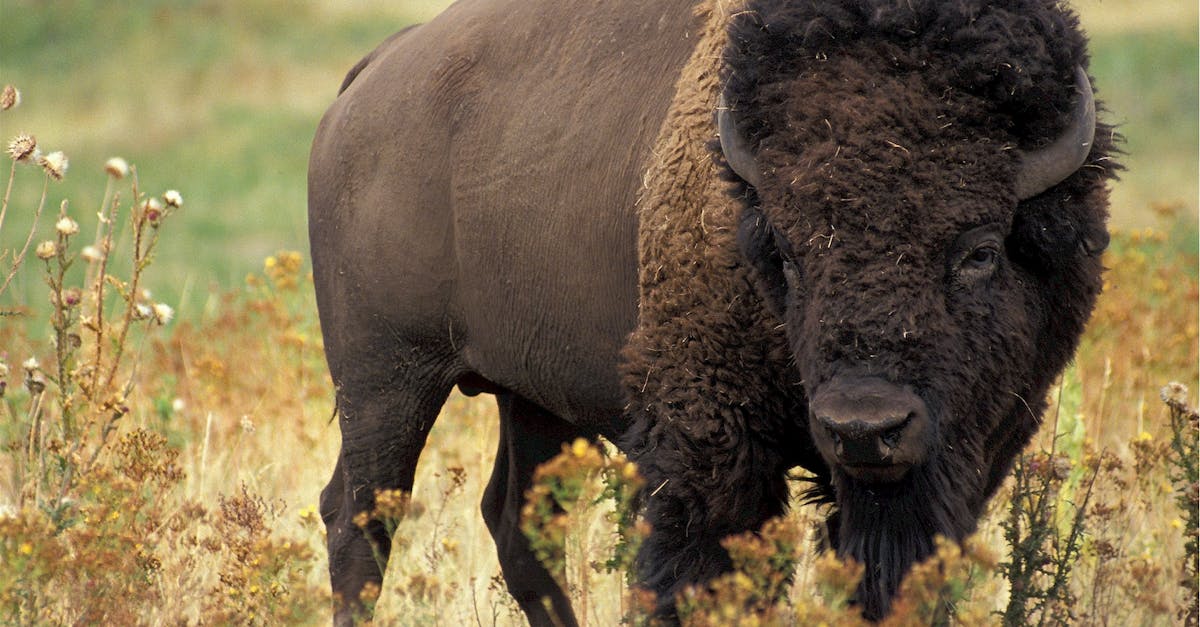
Bison significantly enhance soil health through their grazing patterns and waste production. Their foraging stimulates plant growth, allowing grasses and other vegetation to thrive, which in turn contributes organic matter back into the soil.
The dung of these large herbivores plays a crucial part in nutrient cycling. It serves as a rich source of nitrogen, phosphorus, and potassium, essential elements for plant development. Research indicates that areas with bison populations display higher soil fertility compared to regions without them.
Furthermore, trampling by bison aerates the soil, improving water infiltration and reducing erosion. This natural process encourages beneficial microbial activity that breaks down organic matter, enhancing soil structure.
Land management practices should consider maintaining bison populations to sustain soil fertility. Implementing rotational grazing systems can maximize the benefits provided by these animals while preventing overgrazing, ensuring a balance between wildlife conservation and agricultural productivity.
Integrating bison into land use strategies can significantly bolster soil health, promote biodiversity, and lead to more resilient ecosystems.
How Conservation Efforts Affect Bison Populations
Intensive management programs significantly boost herd restoration. These initiatives include habitat preservation, genetic diversity improvement, and targeted breeding strategies. For instance, the introduction of new genetic lines enhances resilience and adaptability in herds.
Establishing protected areas allows for natural behaviors to resume, facilitating population growth. Wildlife corridors connecting these regions promote genetic exchange, crucial for long-term viability. Effective monitoring through technologies like GPS tracking assists in understanding movement patterns and health status.
Education and community involvement are pivotal. Engaging local populations in conservation fosters stewardship, ensuring ongoing support for bison habitats. Collaborative programs between conservation groups and ranchers help mitigate conflict and promote coexistence.
Funding for wildlife conservation activities plays a direct role. Financial incentives encourage landowners to implement sustainable practices conducive to bison recovery. Successful case studies from Yellowstone and Custer State Park illustrate how strategic investments can lead to substantial increases in bison numbers.
Overall, sustained efforts in habitat management, community engagement, and funding allocation lead to thriving bison populations, improving ecosystem functions and enhancing biodiversity.